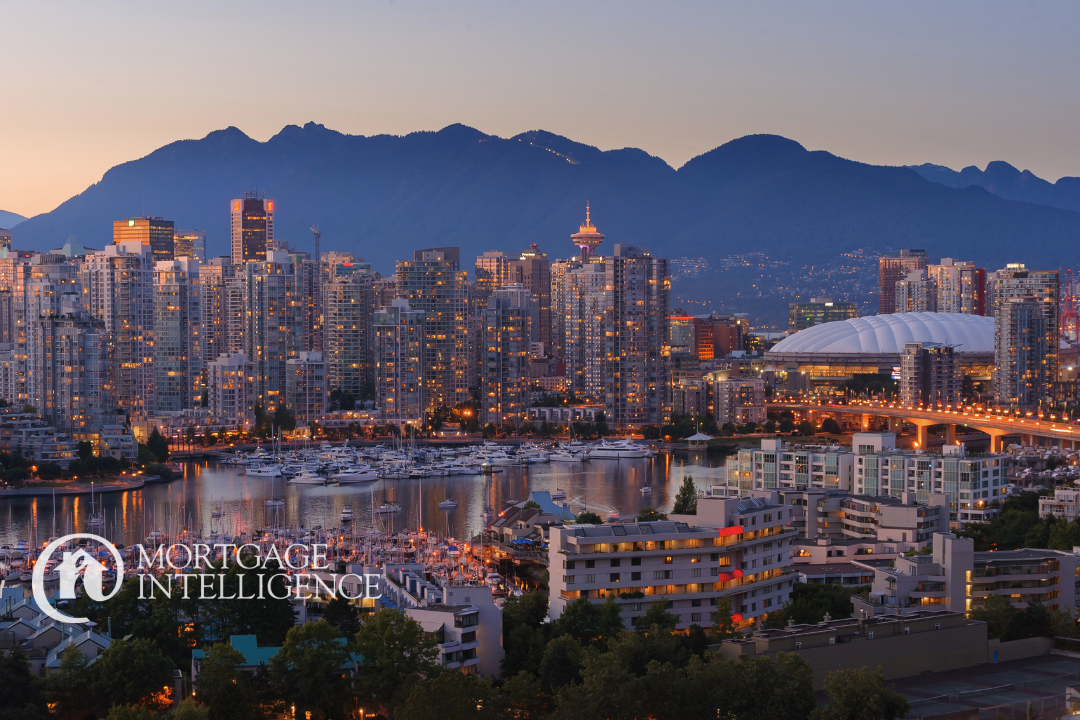
The word British Columbia alone evokes visions of thriving cities and breathtaking coasts. These properties provide an unmatched lifestyle, ranging from opulent penthouses in downtown Vancouver to expansive beachfront mansions on Vancouver Island. But the process of getting a mortgage can be quite difficult for anyone who wants to acquire a piece of this high-value paradise.
Have aspirations of owning an opulent property by the sea? This guide navigates the financial and regulatory hurdles of coastal property mortgages in BC and high-value home financing. We’ll explain why standard mortgages might not fit, highlight risks like rising sea levels and insurance, and show how a mortgage broker is key to luxury and coastal real estate financing.
What Qualifies as a High-Value or Luxury Property in BC?
A “luxury” property is defined by more than just its price. Although the precise cutoff point may differ depending on the area and state of the market, in British Columbia, a high-value or luxury property generally refers to residences that:
- Surpass the Typical Mortgage Limits: Although this level may be greater in federally designated high-cost markets, conventional conforming loan ceilings in Canada are often approximately $806,500 in the majority of counties. Properties that cost more than this frequently qualify for a BC jumbo loan.
- Boast Special Qualities and Facilities: This includes exclusive access to facilities, private docks, breathtaking views, large land, upscale finishes, and unique architecture.
- They are in Desirable, Coveted Areas: Consider Okanagan Valley estates, West Vancouver beachfront residences, or upscale communities on Vancouver Island.
Lender Hesitation: Why Coastal Homes May Face Stricter Terms
When it comes to mortgages for waterfront homes and other high-value properties, traditional lenders (often referred to as A-lenders) tend to be more cautious. Why? It boils down to perceived risk:
- Wild Market Swings: Luxury and coastal markets aren’t as steady as regular ones. They can go up fast, sure, but they can also take some pretty big dips when the economy gets rocky. That freaks lenders out. Imagine buying a super expensive place right before the market tanks – ouch.
- Hard to Put a Solid Value On: Trying to appraise a one-of-a-kind house with special features and not many similar sales is a pain. Lenders need to know for sure what the place is worth to protect their investment. Think custom-everything, smart home tech out the wazoo – it’s tough to find other places to compare it to.
- Environmental Concerns: This is huge for coastal spots, and we’ll get into it later. Lenders are starting to worry more about the risks from climate change.
All this often means you’ll see tougher mortgage terms. You might need a bigger down payment (think 20% or more, since places over $1.5 million usually need uninsured mortgages), primo credit scores, and extra-thorough income checks. And yeah, because there’s more risk involved, these properties might come with slightly higher interest rates than your average mortgage.
Property Insurance and Environmental Risk Factors
One of the most critical and evolving challenges for coastal and high-value properties in BC is navigating real estate insurance in coastal BC and environmental risks.
British Columbia’s stunning geography also means exposure to natural hazards:
- Flood Zone Mortgage Requirements: Coastal areas are increasingly susceptible to rising sea levels, storm surges, and heavy rainfall. Lenders are looking very closely at flood zone mortgage requirements. If you’re in a floodplain or other high-risk zone, you could need special flood insurance that costs a lot, or might not even be available at all. Think about trying to get a mortgage, knowing your dream house could be underwater.
- Geotechnical Risks: Landslides, erosion, and seismic activity can all occur in BC’s mountainous and coastal regions. Geotechnical reports are frequently needed by lenders to evaluate the land’s stability, and if hazards are found, getting a mortgage or insurance may become difficult.
- Wildfire Risk: Many upscale residences are located in forested areas that are more vulnerable to wildfires than just the seashore. Depending on the likelihood of a fire, insurance firms are modifying coverage and pricing.
How do insurance requirements affect mortgage approvals for coastal homes? If a property cannot be adequately insured against these environmental risks, or if the premiums are prohibitively high, lenders may decline the mortgage application. This is because insurance protects the lender’s investment in the event of property damage or loss.
Jumbo Loans & Alternative Financing for High-Value Properties
When is a jumbo mortgage necessary, and what is it? When a property exceeds the typical conforming loan restrictions established by organizations such as the Canada Mortgage and Housing Corporation (CMHC), a jumbo loan is utilized to finance it. Many luxury properties in British Columbia will immediately fall into the jumbo loan category due to the province’s high property values. Lenders take on greater risk because CMHC is unable to insure these loans, which results in:
- Tougher Requirements: It is usually necessary to have significant liquid assets, lower debt-to-income ratios, and higher credit scores (generally 700+).
- Greater Down Payments: Depending on the lender and the particulars of the home, you should budget at least 20% down and occasionally more.
Alternative mortgage lenders in BC provide workable options for borrowers who don’t meet the stringent requirements of conventional lenders for jumbo loans or for properties with special conditions. These consist of:
- B-Lenders: These institutions are a step between traditional banks and private lenders. They offer more flexibility in their underwriting criteria, often assisting self-employed individuals, those with non-traditional income, or those with slightly bruised credit.
- Private Mortgages: Rich individuals or groups provide these. They’re more about the equity in the property and less about your income or credit. But be warned: they usually have higher interest rates and shorter terms.
- Bridge Loans & Construction Loans: Need short-term funds to build a luxury place or to buy a new high-end home before you sell your current one? This is where these come in.
Are there specific lenders that work with luxury homes in BC? While major banks offer jumbo loans, many specialized B-lenders and private lenders focus specifically on the luxury and unique property market, understanding its nuances and offering tailored solutions.
Appraisal Challenges and Market Volatility in Coastal Areas
Do appraisals differ for luxury or custom-built homes? Absolutely. Appraising a high-value or custom-built home is significantly more complex than appraising a standard residential property.
- Lack of Comparables: Luxury homes are often one-of-a-kind, making it difficult to find truly comparable sales (comps) in the immediate area. As a result, appraisers must employ more advanced valuation methods and broaden their scope.
- Valuing Unique Features: How do you accurately value a custom-designed wine cellar, a private helipad, or a state-of-the-art smart home system? These unique features add immense value but can be challenging to quantify for appraisal purposes.
- Market Volatility: In exclusive coastal areas, market shifts can be more pronounced. An appraisal conducted months before closing might not accurately reflect the market value at the time of funding, leading to potential issues with loan-to-value ratios.
Basically, you might end up with an appraisal that’s lower than what you’re paying, meaning you’ll need to come up with more cash for a down payment.
Strategies for Securing Financing on Unique or High-Risk Properties
Navigating the complexities of financing challenges for coastal property owners and high-value homes requires a strategic approach. Here are key strategies for how to finance a high-value home in British Columbia:
- Get a Great Mortgage Broker: Seriously, this is the key. A broker who’s seen it all when it comes to luxury property mortgage challenges has a big network of lenders (A, B, and private) and knows the ins and outs of what’s needed. They can find the right lender for you.
- Look Good on Paper: Excellent credit score, steady income you can prove, and plenty of liquid assets. Lenders want to know you’re good for it.
- Save up a Bigger Down Payment: While the rules recently changed to allow insured mortgages on loans up to $1.5 million, you should prepare for a big down payment (20% or more) if you’re buying a place over that or something that’s high-risk.
- Get your Documents in Order: Be ready to hand over detailed financial statements, income verification, property reports (environmental, geotechnical, custom building plans).
- Understand the Environmental Risks: Especially for coastal properties. Lenders want to see that those risks have been assessed and dealt with as much as possible.
- Think Outside the Box When it Comes to Loans: A fixed-rate mortgage might be your dream, but consider other options like variable-rate mortgages or interest-only loans.
Why do banks hesitate to provide money for waterfront properties? The perfect storm of volatile markets, tough valuations, and environmental risks makes these properties riskier in the eyes of traditional lenders.
Financing a luxury or coastal property in British Columbia is a distinct undertaking, far removed from the process of securing a standard mortgage. Contact a Mortgage Alliance professional today for a personalized consultation!
FAQs
- Why is it more difficult to finance high-value and beachfront properties? Lenders are hesitant due to environmental risks, uncertain markets, and unique properties.
- Are there any particular lenders in British Columbia that deal with luxury homes? Yes, this sector is frequently served by private lenders and specialized B-lenders.
- When is a jumbo mortgage necessary, and what is it? It is a sizable loan required for high-value houses that exceeds typical mortgage restrictions.
- What impact do insurance regulations have on coastal home mortgage approvals? A mortgage denial may result from inadequate or costly insurance because of environmental threats.
- Do high-risk or luxury residences have different interest rates? Yes, because lenders are taking on more risk, they may be a little higher.
- What documentation is needed for a high-value property mortgage? Robust financial documentation and comprehensive reports tailored to individual properties are essential.
- Can I get a traditional mortgage for a waterfront property in BC? It’s challenging; you’ll likely need a jumbo loan or alternative financing due to unique risks.
- How do environmental risks (e.g., flooding) impact mortgage terms? They can lead to stricter terms, higher insurance costs, and even affect approval.
- Do appraisals differ for luxury or custom-built homes? Yes, they are more complex due to unique features and limited comparable sales.
What strategies can help secure financing for unique or high-value real estate? Work with a specialized mortgage broker, have a strong financial profile, and consider a larger down payment.